Virgin Active blog
Low-impact exercise for better mental health
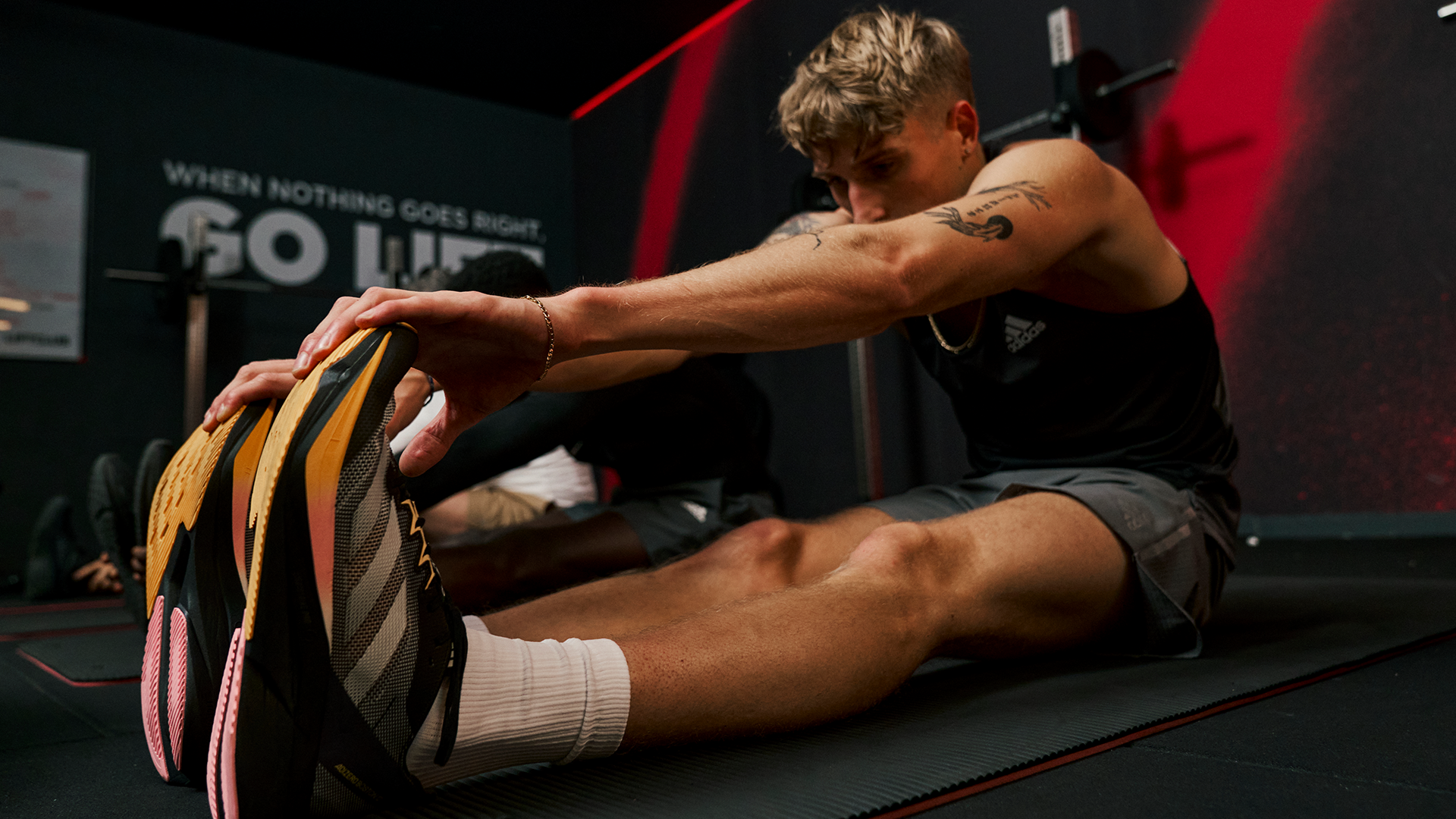
Everyone deserves good mental health and this World Mental Health Day (Friday 10 October 2025), we’re giving you the low down on how low-impact exercise can be your go-to to calm your mind and give you more brain space when you need it. Discover what we’re doing to tackle wellness burnout this World Mental Health Day.
What is low-impact exercise?
Low-impact exercise is gentle on your joints - and on your mind. It’s the kind of movement that doesn’t involve jumping, both feet leaving the ground or anything that causes you to make a forceful landing. Pretty simple. But a lot of people get it confused with workouts that are boring, not very challenging and not designed for the average person.
That couldn’t be further from the truth. Yes, low-impact movement reduces wear and tear on your joints but it can strengthen your muscles too.
Examples of low-impact exercises include Yoga, Reformer Pilates, Mat Pilates, swimming and the elliptical trainer.
What are the benefits of low-impact exercise?
Low-impact movement is typically more mindful which means that it’s often really beneficial for your brain. It can also help with:
Better sleep
Improved heart health
Building muscle
Mental health boosts
Increased energy
Strong bones
Healthy blood pressure
Managing your weight
How does low-impact exercise help your mind?
If you feel like you’re getting burned out by wellness, you’re not alone. It’s a rising trend in a world that’s completely focused on the hustle. Not to mention, it completely defeats the purpose of what wellness means. So, this World Mental Health Day, we’re making a change.
We’re encouraging our members to tune out the grind and tune into your mind with the Virgin Active Reset. It’s simple: take time to visit club and do the things that make you take things a little slower. Like low-impact exercise – or yoga, Sound Bath and Reformer Pilates. Try taking a guilt-free break in a world that forces you to do more, more, more. Head to the Virgin Active app to book a class and focus on your wellness.
Do low-impact workouts always need to be low effort?
If you think that low-impact workouts are only about slow movement, then there’s more for you to explore. Low impact does not mean low effort. In fact, there are plenty of ways to dial up your low-impact workouts to get your sweat on and plenty of low-impact moves that are high-intensity by design.
Take swimming, for example. This full body sport is low impact but almost always guaranteed to have your heart rate elevated and your muscles fully switched on. Similarly, cycling can be both a low-intensity and high-intensity sport depending on how much resistance you use and how much you push yourself. The same goes for rowing.
So, does that mean that low-impact is as good for you as high-impact?
Well, honestly, it depends what your goals are. Both have their benefits - after all, any movement is usually better than none. But while low-impact workouts may not help your bone density or help you build on power generation through your body, you’ll have healthier joints than if you did high-intensity exercise alone. Plus, you’ll still be raising your heart rate, improving your heart health and getting a sweat on. And all of that’s because the intensity of your workout is more important than the impact it puts on your body.
When is low-impact training best?
There’s no right or wrong time to do low-impact training. It’s a gentler way to move, which means that whenever you do it, you’ll still see the benefits of a calmer mind, healthier joints and lowered risk of injury.
That said, low-impact exercise is especially useful for people who are new to movement, recovering from injury and more at risk.
How to make your workout work for your mind
Low-impact exercise encourages your body to slow down, but that doesn’t always mean that your mind will follow. Sometimes, the thrill of high-impact, high-intensity sport is more effective at distracting your brain. But if you choose to do low-impact training, there are a few things you can do to make it work for your mind.
Deep breathing, counting inhales and exhales
Setting intentions
Turning negative thoughts into positive self-talk
Visualising how you would prefer to feel
Listening to music or a podcast
Developing a new skill
Key takeaways
Everyone deserves good mental health, not just on World Mental Health Day and low-impact exercise is a good way to get it. Just because it’s not high-impact doesn’t mean it can’t be high-intensity, with the added benefit of still being kind to your joints. When you spend time investing in low-impact training too, you’ll also enjoy better sleep, improved heart health, increased energy - and more!
Ready for your next workout? Check out all the group exercise classes available at Virgin Active.
Not yet a member? Find your nearest club and start your membership today.
